How Often Should You Repaint Your Port Orange Home’s Exterior? A Practical Guide to Exterior House Painting Port Orange
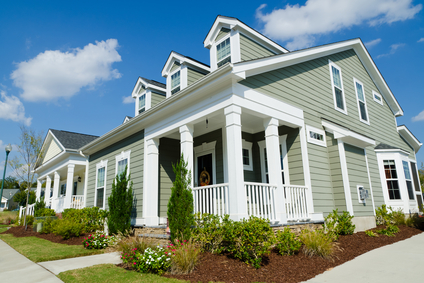
In our coastal climate, sun, salt, and sudden storms work your paint hard. Most Port Orange homes need fresh exterior paint on a predictable cycle, but the right timing depends on your siding, exposure, and how well the last job was prepared. If you want a durable finish that keeps your home looking sharp, schedule professional exterior house painting before wear turns into damage.
Below, you’ll find realistic repaint timelines for common Florida exteriors, the local factors that speed up aging, and a simple way to judge the “real” condition of your paint on each side of the house. Use this as a homeowner’s roadmap so you can plan ahead and avoid costly repairs.
Why Paint Ages Faster In Port Orange
Port Orange gets year-round UV, frequent afternoon showers, and salty air drifting in from the coast. South- and west-facing walls soak up the most sun, while shaded sides stay damp longer after rain. That mix causes color fade, chalking, hairline cracks, and, in time, peeling. Waiting until you see widespread peeling usually means extra prep and longer project timelines.
Homes near the Halifax River and neighborhoods like Spruce Creek Fly-In, Cypress Head, Waters Edge, and Riverwood Plantation often show different wear on each elevation. The side facing the river breeze or open sun can age a season or two faster than the rest.
How Often To Repaint By Exterior Material
These local ranges assume quality prep and pro-grade coatings. If the last job cut corners on prep or products, expect the shorter end of the range.
- Stucco or concrete block (common in Port Orange): about every 5 to 7 years; closer to 5 years on sun-baked or wind-exposed sides.
- Wood siding or trim: roughly every 3 to 5 years, especially where sprinkler overspray or afternoon sun hits.
- Fiber cement: about every 8 to 10 years with proper primer and topcoat.
- Vinyl or aluminum: often 7 to 10 years; finish may fade before it fails, especially with darker colors.
- Painted brick: generally 7 to 10 years, depending on exposure.
Mixed-material homes should follow the shortest interval of the materials present. Dark colors absorb more heat and tend to fade faster, so they may need earlier refreshes than lighter, reflective shades.
Five Local Factors That Shorten Paint Lifespan
Think of these as “accelerators.” If two or more apply to your home, plan on the earlier end of the repaint window.
- Intense UV on south and west elevations. Color fade and chalking show here first.
- Salt-laden breezes near the river or beach that dry on surfaces and attract moisture.
- High humidity after summer showers that slows curing and invites mildew.
- Irrigation overspray and hard-water deposits along lower walls and garage doors.
- Insufficient prep last time: limited washing, light scraping, or skipped primer.
Quick Self-Check: Which Side Needs Paint First?
Walk your home on a bright day and look from top to bottom on each side. You are not checking just for color. You are looking for evidence of protection failing.
Use this simple checklist:
Color fade and chalking: Rub a finger across the wall. A powdery residue means the top layer is breaking down. Many Port Orange homeowners notice this on the south-facing garage wall first.
Hairline cracks on stucco: Especially around window corners and control joints. Even tiny cracks let moisture in and lead to bigger issues.
Peeling or bubbling: Often on fascia, soffits, and sun-exposed trim. This needs attention soon.
Mildew or algae: Shaded sides and areas near landscaping hold moisture. Stains return faster once paint loses its protective film.
If two or more of these show up, talk to a pro about timing. A timely repaint can stabilize surfaces and save you from extra repairs.
Prep Quality Is The Difference-Maker
Longevity starts long before the first coat. Professional prep in Port Orange usually includes low-pressure washing, targeted repairs to stucco or wood, full scraping and sanding of failing areas, caulking of joints, and the right primer for each surface. Primer is not optional on patched, bare, or stained spots. It locks down the surface so the finish coat looks even and lasts.
If your last project skipped these steps, expect to repaint sooner. One reliable sign a company is doing it right is that they describe their prep process in detail and sequence, not just the paint brand.
Choosing Colors And Finishes For Coastal Sun
Lighter and mid-tone palettes handle UV better and keep wall temperatures lower. On trims and doors, semi-gloss resists wear and cleans more easily than flat. For stucco, a high-build elastomeric or quality exterior acrylic designed for masonry can bridge tiny cracks and resist wind-driven rain. Talk with your painter about sheen choices that balance appearance with cleanability in our climate.
Seasonal Timing For Port Orange Homes
In summer, pop-up showers and high humidity make scheduling more complex. Well-run crews watch the radar and temperature swings and plan walls by sun path so fresh coats have the best curing window. Cooler, drier stretches in fall and late winter are popular for larger exterior projects because conditions are steadier.
Whatever the season, aim to repaint before hurricane season reveals weaknesses. A strong, continuous paint film sheds water better and protects caulk lines at windows and doors.
Neighborhood Examples That Often Age Faster
Every property is unique, but certain patterns show up across Port Orange:
Cypress Head and Waters Edge: Open exposures mean south and west elevations fade first. Garage doors and fascias show chalking early.
Spruce Creek Fly-In: Larger rooflines funnel water to specific walls. Watch lower stucco bands and trim for hairline cracks and mildew.
Riverwood Plantation: Shaded, tree-lined streets keep walls damp after rain. Mildew spots and dullness appear before peeling does.
When Your Home Is Telling You “It’s Time”
You do not have to track the calendar if you watch the signs. When you see chalking, patchy flat spots, or caulk pulling away at joints, your paint film is nearing the end of its protective life. That is the moment to plan a repaint, not after wood or stucco damage starts.
If you are weighing curb appeal at the same time, it helps to see how an updated exterior can lift value. For ideas, browse this related post from Top Coat Painting, LLC about how a new finish impacts marketability: how exterior house painting enhances home value.
Set Your Repaint Plan For The Next 10 Years
A simple plan prevents surprises:
1) Baseline now. Decide which sides need attention first based on the checklist above. Note specific trouble spots.
2) Schedule professional prep and coating. Ask for a written scope that spells out washing, repairs, primer types, and the number of finish coats. If you are new to hiring pros, review Top Coat Painting, LLC’s perspective on working with specialists here: the benefits of hiring professional painters for your Port Orange home.
3) Maintain annually. A gentle rinse and quick touch-ups on high-wear trim can help you reach the top end of the repaint window. Salt and pollen left on the surface shorten the life of even the best coatings.
What To Expect When You Hire A Pro
Great results are a mix of experience, materials, and sequencing. Expect a walk-through, documented prep, weather-aware scheduling, and clear communication about which walls are being coated as the sun shifts. Ask your painter how they handle stucco hairline cracks, chalky surfaces, and exposed wood ends. Their answers will tell you how well your new paint will perform in Port Orange conditions.
If you want a deeper look at professional process inside the home, this overview explains the approach and attention to detail that carries over outdoors as well: the interior painting process explained.
Recommended Repaint Intervals At A Glance
Use this as a quick reference, then adjust a year sooner if you have harsh exposure or if your last project used budget products.
- Stucco or concrete block: 5–7 years
- Wood siding and trim: 3–5 years
- Fiber cement: 8–10 years
- Vinyl or aluminum: 7–10 years
- Painted brick: 7–10 years
If your home sits in strong afternoon sun or near salt air, plan on the shorter end. If your last job had meticulous prep, high-solids coatings, and two full finish coats, you may reach the longer end.
Ready To Protect Your Exterior?
When you are comparing options, choose a team that prepares surfaces thoroughly and matches products to our coastal climate. You can explore how Top Coat Painting, LLC approaches exterior house painting so your finish looks great and holds up through Port Orange summers.
For homeowners starting color planning or scouting timelines, you can also begin at our homepage here: exterior house painting Port Orange. You will find services, recent projects, and ways to schedule a convenient estimate.
Talk With A Local Specialist
A short visit can tell you exactly what your home needs and when it needs it. Our team will walk each elevation, check sun and moisture patterns, and recommend a repaint schedule that fits your goals. Call Top Coat Painting, LLC at 386-732-6672 and we will help you plan the best window for a long-lasting result.
Give Your Home A Fresh Start
If your walls look dull, chalky, or cracked, a timely repaint stops further wear and restores curb appeal. For a durable, weather-smart finish in Port Orange, schedule your project with a crew that sweats the details and respects the weather. Explore our process and book your spot in Port Orange now through our page on exterior house painting.
Professional Residential Painting Done Right Serving Port Orange homeowners with interior, exterior, and cabinet painting.