Exterior House Painting in Port Orange, FL: Choosing Paint That Resists Sun, Salt, and Humidity
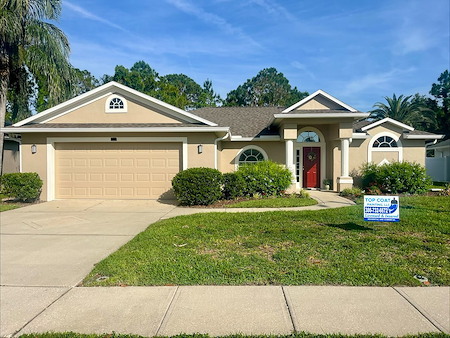
Living in Port Orange means bright sun, salty breezes, and sticky summer air. That mix is hard on paint. If you want color that looks fresh year after year, smart product choice matters as much as skilled application. This guide explains what lasts on coastal homes and how Top Coat Painting, LLC approaches exterior house painting so your home looks sharp even after storm season.
We keep the language simple, focus on results, and point you to options that hold up on stucco, fiber cement, and wood around Waters Edge, Cypress Head, and the Spruce Creek Fly-In community. The goal is fewer repaints and better curb appeal in a tough climate.
Why Port Orange Weather Punishes Paint
Three forces wear down coastal finishes: UV, salt, and humidity. UV acts like a slow burn that fades bright colors and weakens resin over time. Salt crystals in the air are tiny and abrasive. Think of them like fine sand that clings to siding and trim. Humidity feeds mildew and slows dry time after rain or morning dew.
Homes near the Halifax River or east of I-95 get extra salt exposure on windward walls. West-facing elevations soak up the strongest afternoon sun. Put together, the coast can make an average exterior paint fail fast. The fix is choosing better chemistry, better primers, and the right sheen for each surface.
Best Exterior Paint Types for Coastal Homes
100% Acrylic Latex for Siding and Stucco
Choose 100% acrylic exterior paint for most siding and stucco. Acrylic resists UV, sticks well, and stays flexible as temperatures swing. It sheds salt better than older oil formulas and cleans up without becoming chalky too soon.
Elastomeric Coatings for Hairline Stucco Cracks
Hairline cracks on stucco happen from normal movement. Elastomeric coatings bridge tiny gaps and keep wind-driven rain from getting behind the finish. On smooth stucco in neighborhoods like Cypress Head, one high-build, breathable system can reduce future touchups when applied by a pro.
Rust-Inhibitive Systems for Metal
Salt accelerates rust on railings, galvanized flashing, and metal doors. For those areas, pair a corrosion-resistant primer with a durable topcoat rated for metal. This combo stops bleed-through and keeps those detail pieces looking crisp instead of orange and streaky.
Mildew-Resistant Formulations
Shaded sides and spots near landscaping traps collect moisture. Look for exterior lines with added mildewcides. They help coatings stay cleaner longer, especially on the north side of homes in Summer Trees and along tree-lined streets near Dunlawton Avenue.
- Light, UV-stable colors fade less than deep reds, blues, and blacks.
- Premium acrylics stick better to chalky, aged paint when properly primed.
- Elastomerics work best on stucco with fine, non-structural cracks.
- Always prime chalky or bare areas to lock down dust and improve adhesion.
Smart Color And Sheen Choices That Last
Color: Keep It Cool and Coastal
Deep tones can look amazing on day one, but they usually fade faster in our sun. Lighter, cooler colors reflect heat and hold their look longer. If you love a bold front door, keep the body color lighter so the overall home still resists fading. When you do go rich, pick lines labeled for color retention and UV stability.
Sheen: Match the Surface to the Shine
Sheen changes more than looks. It affects cleanability, moisture resistance, and how much a wall shows flaws. Here is a simple guide for coastal homes:
- Stucco body: flat or low-sheen matte for texture hiding; consider elastomeric matte on crack-prone areas.
- Fiber cement or wood siding: eggshell or satin for easier rinsing and better stain resistance.
- Trim, fascia, and doors: satin or semi-gloss for sharper lines and easier cleaning.
Avoid porous flat sheens on trim that need regular wiping. Salt and pollen grab onto flatter finishes, which makes maintenance harder on high-touch surfaces like railings and door frames.
Surface Prep and Primers Built for the Coast
Great paint without the right primer is like a roof with loose nails. Coastal homes often have chalky oxidation, minor cracking, and old caulk that has shrunk. A strong prep plan includes cleaning, addressing failing areas, and using primers that solve real problems rather than covering them up.
Common coastal primer choices include bonding primers for glossy or previously oil-painted trim, masonry primer for fresh stucco after proper cure, and stain-blocking primer for tannin-heavy woods. The exact system varies by surface, existing coating, and season. A professional inspection sets the right path so the finish coat can do its job.
Planning Around Florida Weather
Florida weather changes fast. Heat, humidity, and pop-up showers require careful timing. Experienced crews watch hourly forecasts, dew points, and surface temperatures. They stage work so each coat cures within the safe window the manufacturer recommends. Dry times vary by product and conditions, so the schedule depends on the home and season.
In Port Orange, spring and late fall are popular for exteriors, but high-quality products can go on most months when applied under the right conditions. The key is planning. If a morning looks humid with a quick shower likely at noon, pros will shift to protected walls first and leave sun-drenched elevations for later.
Fading and Peeling Prevention That Works Here
Prevention is about blocking the common failure paths. UV breaks resin bonds on the most exposed sides. Salt film traps moisture and feeds mildew. Old caulk lets water creep behind the paint. Here is what keeps your finish solid in our area:
Use UV-stable, 100% acrylic paint on body surfaces and keep colors lighter on west and south walls. Seal gaps with high-grade, paintable sealant that stays flexible, especially around windows that face the sea breeze. For metal details, stop corrosion early with rust-inhibitive primer. Finally, plan gentle, regular rinsing so salt cannot build up over time.
If you want a deeper dive into seasonal upkeep and color planning, you can browse our short articles under painting tips where we share coastal insights without the fluff.
Maintenance Habits That Protect Your Finish
Coastal maintenance is simple and proactive. It is not about scrubbing every week. It is about small steps that keep the coating healthy, so the next repaint comes later.
Consider these habits that fit Port Orange living:
- Schedule a gentle rinse by a pro once or twice a year to remove salt and pollen buildup.
- Keep shrubs trimmed back so walls can dry after afternoon showers.
- Check high-splash areas near sprinklers and gutters for early wear and adjust spray patterns if needed.
- Have caulk inspected around windows and doors before storm season each year.
These habits reduce mildew growth and protect edges where peeling starts. Done consistently, they help your home look freshly painted longer.
Product Features To Look For On The Label
The can tells a story if you know where to look. You do not need to memorize chemistry to make a wise choice, but a few cues help:
Look for 100% acrylic resin, mildew-resistant additives, and color-retention technology. On masonry, confirm it is alkali-resistant. On metal, confirm compatibility with rust-inhibitive primers. If you see terms like high-build or elastomeric for stucco with fine cracks, you are on the right track for coastal walls.
How Top Coat Painting, LLC Delivers Coastal-Ready Results
We paint a lot of homes near the Halifax River, in Waters Edge, and around the Spruce Creek Fly-In. That local focus helps us spot patterns fast, like which walls take the most sun or where salt sneaks in around trim. We match coatings to each surface and exposure, and we plan around humidity so the finish cures right the first time.
From body color to door sheen, we guide you through coastal paint selection, fading and peeling prevention, and the best sheens for each surface. When you are ready to see options in person, our team can walk your property and suggest a system that fits your materials and timing. Learn more about our approach to exterior house painting so you know what to expect before we start.
For a broader look at what we do beyond the exterior, explore our all painting services to see how each category supports a durable home envelope.
Color Ideas That Fit Port Orange Neighborhoods
Homes near canals and ponds often look best with lighter sand, sea salt, or soft gray body colors paired with crisp white trim. In tree-shaded streets like parts of Summer Trees, slightly warmer body tones can balance the greenery while still resisting fade. If your HOA has guidelines, we help you choose options that meet rules and still perform in sun and salt.
Doors are a great place to add personality without locking the whole home into a deep color. A rich navy, coastal teal, or classic red on a door pairs well with a light body color and semi-gloss trim. You get pop without high fade risk on every wall.
When To Repaint Before Problems Spread
Most coastal homes benefit from a fresh finish every several years, but timing varies by exposure, materials, and product line. Watch for chalky residue on your hand, dark mildew staining that does not rinse away, or hairline cracking at trim joints. Addressing these early prevents peeling and avoids bigger repairs later. The right interval depends on your home and season, so a quick assessment helps pick the best window.
Your Next Step
If you want a simple plan tailored to your address, start with a friendly walkthrough. We will recommend colors that keep their look, primers that solve real issues, and sheens that clean up easily. Many homeowners first check out our homepage for context; you can read about exterior house painting in Port Orange, FL in a broader view of our work and values.
Talk With A Local Painter You Can Trust
When you are ready, contact Top Coat Painting, LLC and we will line up a time that fits your schedule. A short visit is usually enough to build a clear, written scope that calls out products, surfaces, and prep so there are no surprises. To get started, call us at 386-732-6672 and tell us what you want to change, or explore the details of our exterior house painting service before we talk.
Professional Residential Painting Done Right Serving Port Orange homeowners with interior, exterior, and cabinet painting.