Commercial Painting Checklist for Daytona Beach and Port Orange Businesses
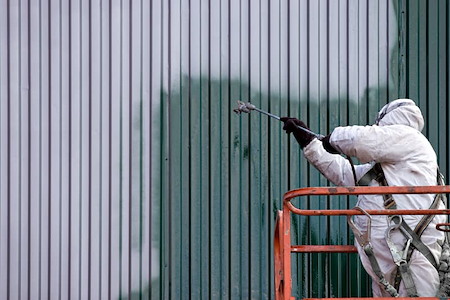
Keeping your building fresh and professional is easier when you follow a clear plan. This checklist is tailored to coastal Florida conditions and helps you schedule commercial painting, reduce disruption, and keep finishes looking sharp longer. If you manage a storefront on Beach Street, an office near Dunlawton Avenue, or a warehouse along US‑1, you will find practical steps here for reliable results with less downtime.
Why a Localized Checklist Matters
Port Orange and Daytona Beach face salty air, high humidity, intense sun, and frequent summer storms. These conditions can speed up fading, chalking, and corrosion. A checklist built for our climate helps you plan coating types, surface prep, and timing so your interiors and exteriors stand up to daily wear.
Properties near the Halifax River or the ocean, like those by the Port Orange Causeway or along A1A, often need tighter inspection and touch‑up cycles. High‑traffic sites such as restaurants in Pavilion at Port Orange benefit from coordinated night or early morning work to keep guests comfortable.
Pre‑Paint Planning Timeline And Office Painting Schedule
A clear timeline keeps your team aligned and prevents surprises. Use this simple planning flow for offices, medical suites, and professional spaces around Port Orange, FL, and Daytona Beach.
- 4–6 weeks out: Walk each area, list damage, note staining, and identify sensitive rooms like conference spaces or exam rooms.
- 3–4 weeks out: Select colors and sheens by room use. Higher‑sheen, scrubbable finishes work well for corridors and break rooms.
- 2–3 weeks out: Confirm access windows, elevator reservations, security clearances, and staging for furniture protection.
- 1–2 weeks out: Notify staff and tenants. Post signs at entries and restrooms. Plan odor management and ventilation.
- 48–72 hours out: Protect data, unplug devices, and label furniture positions for fast reset after painting.
Build your office painting schedule around your slowest times. For many Port Orange offices, that means evenings after 6 p.m. or selected weekends. Coordinate with your painter for phased work in zones so teams can keep operating while painting progresses.
Retail And Restaurant Repaint Frequency By Space Type
Public areas take a beating. Use the guide below to set repaint expectations. Actual timing varies by wear, cleaning practices, and proximity to the coast.
- Entry vestibules and checkouts: inspect quarterly, touch up on the spot, repaint every 12–18 months.
- Dining rooms and waiting areas: inspect quarterly, touch up semiannually, repaint every 18–24 months.
- Restrooms: inspect monthly, touch up quarterly, repaint every 12–18 months with moisture‑tolerant coatings.
- Kitchens and prep areas: inspect monthly, touch up as needed, repaint every 12–18 months with washable, abrasion‑resistant finishes.
- Back‑of‑house corridors and stock rooms: inspect semiannually, touch up semiannually, repaint every 24–36 months.
For exterior storefronts exposed to sea breeze or near the river, plan a surface rinse and spot touch‑up each spring, then a larger refresh on a 3–5 year cycle based on UV exposure.
Minimizing Downtime During Business Hours
Downtime costs money. Smart sequencing lets customers keep flowing, and staff keep working.
Schedule around your slowest hours and use zones. Paint customer‑facing walls after close, corridors early morning, and private offices mid‑day. Ask your painter to set up negative air or add ventilation for low‑odor work, and to use quick‑dry systems where appropriate so spaces return to service faster.
Protect inventory and equipment with poly and clean, labeled pathways. Confirm a daily turnover plan so each area is usable at the start of business. For medical, bank, and school sites, include check‑in with security so keys and alarms are handled without delays.
Material And Coating Choices For Coastal Florida
In our climate, coatings need to resist humidity, UV, and occasional wind‑driven rain. Interior common areas benefit from durable, low‑odor paints that cure quickly. For bathrooms, kitchens, and locker rooms, choose moisture‑tolerant finishes with strong scrubbability ratings. Exterior systems should pair corrosion‑resistant primers on metal with elastomeric or high‑build acrylics on stucco where movement and hairline cracking occur.
Use low‑odor, low‑VOC coatings when painting during business hours to keep staff and guests comfortable. In sun‑soaked spots like LPGA Boulevard and International Speedway Boulevard, favor pigments and sheens that resist fading. For aluminum railings, light poles, and doors near the coast, include a rust‑inhibitive primer and regular rinse cycles to limit salt buildup.
Safety, Access, And Tenant Coordination
Safety and access planning keep projects on time. Confirm lift or scaffold needs for parapets and signage, and verify load limits for parking deck areas. Coordinate with neighboring suites so shared entries and restrooms remain open. For multi‑tenant buildings in South Daytona or along Nova Road, provide a weekly schedule with color keys so property managers can update tenants easily.
Post temporary wayfinding that is clear and readable. Keep exit paths open and lit. Confirm after‑hours lighting in corridors and exterior lots for crew visibility and security. Document daily progress with photos so stakeholders can approve colors and sheen before crews move to the next zone.
Color, Branding, And Approvals
Color consistency matters for franchises and professional offices. Keep brand guides handy and order drawdowns or large samples to view under your actual lighting. Test colors in real lighting near windows and under the fixtures your customers will see. For HOAs and retail centers, submit color elevations and sample boards for review so approvals happen before the schedule starts.
If your site faces strong sunlight or is close to the water, consider slightly deeper or more neutral exterior colors to slow visible fading. Gloss and semi‑gloss sheens on doors, rails, and trim make cleaning easier and help colors pop at entries.
Quality Control: Surface Prep And Mockups
The finish only lasts as long as the prep. Require a documented prep standard that includes cleaning, sanding, or abrading glossy surfaces, addressing chalky areas, patching, and spot priming. Ask for a small mockup wall or room before full production so you can evaluate color, sheen, and edge lines. This prevents rework and keeps the schedule moving.
Walk each zone before masking is removed. Check corners, door frames, and baseboards where scuffs and misses appear most often. Require a touch‑up list with times so crews can close items the same day.
Odor And Indoor Air Considerations
Comfort is central to a smooth project. Choose low‑odor systems and boost air changes with fans and HVAC settings. Time painting for late afternoon, so any residual odor dissipates overnight and spaces are ready by morning. Sensitive locations like clinics and classrooms benefit from extra filtration near work zones.
Post‑Project Maintenance And Touch‑Up Plan
Your building will stay fresher if you plan small tasks all year. Keep a labeled touch‑up kit for your approved colors and sheens. Train staff to report scuffs and impacts in real time so touch‑ups happen before damage spreads. Plan a maintenance walk‑through every quarter for high‑traffic spaces and after major events like Bike Week or spring breaks that increase visitor flow.
For exteriors near the coast, include a rinse with fresh water a few times per year to remove salt. Inspect caulk joints at windows and control joints annually and renew as needed to keep moisture out of walls.
Sample Two‑Week Schedule For An Occupied Office
Use this as a starting point and adjust for your space and hours:
Week 1: Color approvals, protection, and prep. Crews handle hallways and shared spaces after hours, with daily resets before 8 a.m. Private offices are scheduled in pairs so teams can rotate staff into temporary spaces while painting progresses.
Week 2: Conference rooms and reception are completed, followed by baseboards and doors. Final punch list, touch‑ups, and cleanup end before the Friday close of business. Signage returns and furniture are set back to their labeled positions.
Tools And Resources To Keep You Organized
Downloadable checklists and maintenance calendars make life easier. For planning ideas and finishing care basics, browse the latest insights on our painting tips page. If you need broader options, our full range of painting services can cover specialty coatings, exterior refreshes, and more as your facility grows.
When you are comparing providers, look for clear communication, clean site protection, and a written maintenance plan. If you want a deeper overview of scope and sequencing, review our approach to commercial painting to see how crews phase work around your customers and staff.
Get The Most Value From Your Painter
A great partner will help you plan, phase, and maintain your finishes over time. They will document colors, match existing sheen, and track touch‑ups after furniture moves. Ask for a single point of contact, daily updates with photos, and a simple method to add small extras without slowing the schedule. The goal is quiet, predictable work that never surprises your team or guests.
You can also anchor your vendor search by checking references for sites similar to yours, like coastal retail, medical offices, or multi‑story professional buildings. Use those insights to set expectations on communication style and nightly cleanup standards.
Ready To Schedule? Here Is Your Next Step
If you are looking for a reliable painting company in Port Orange or across the Greater Daytona Beach area, line up a walk‑through with Top Coat Painting, LLC before your next seasonal rush. A focused site visit yields a phased plan, odor strategy, and written maintenance schedule tailored to your hours.
Call Top Coat Painting, LLC at 386-732-6672 to start your calendar and lock in preferred dates. When you are ready, request your proposal through our commercial painting page so we can prepare a scope that keeps your doors open and your brand looking its best.
Professional Residential Painting Done Right Serving Port Orange homeowners with interior, exterior, and cabinet painting.